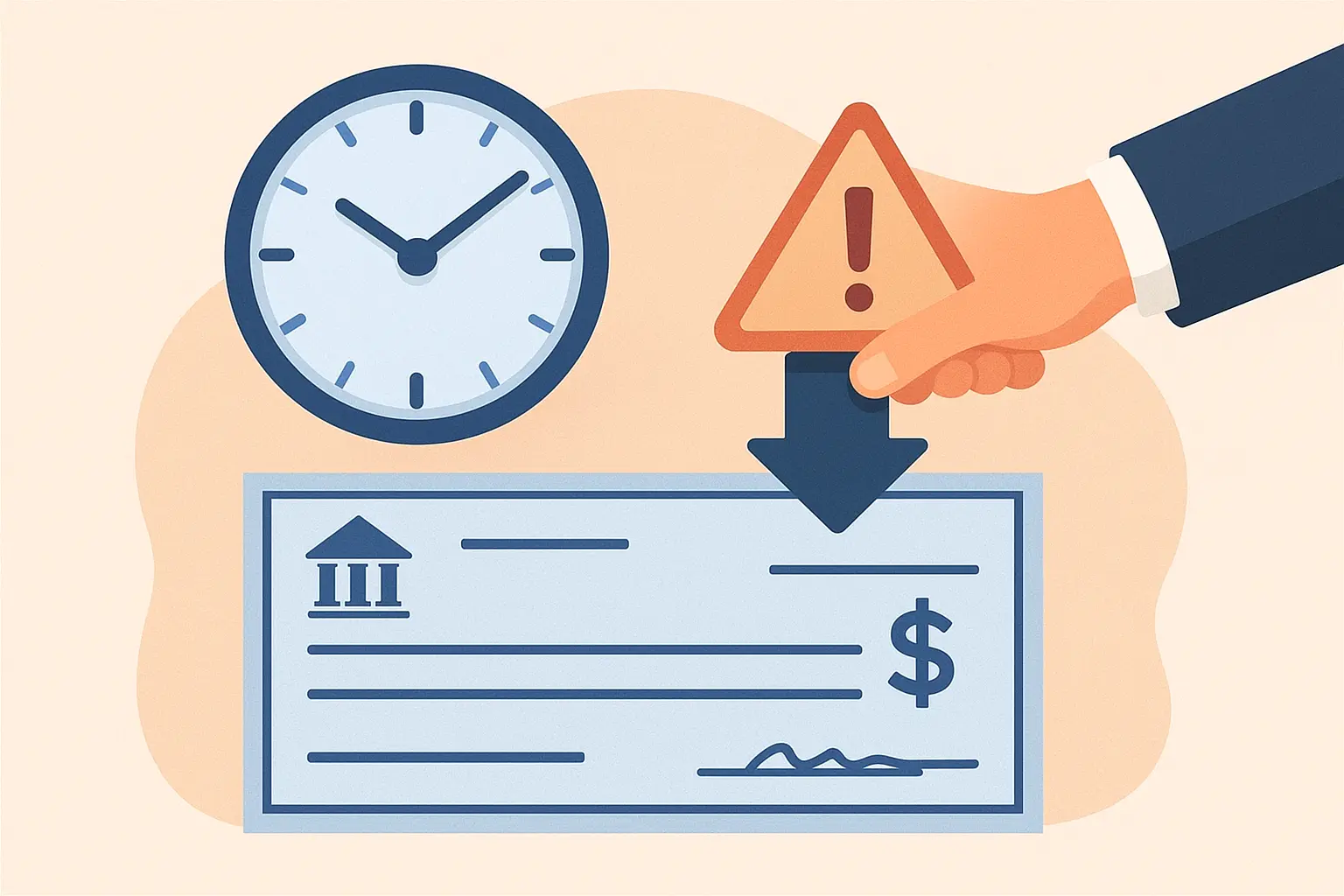
If your bank deposit is taking longer than expected to clear, you’re not alone. Banks and credit unions often place holds on deposits to verify funds and manage risk. This guide explains why deposits take time, how hold periods work, and how deposit timing connects to posting cycles, ACH processing, and balance availability.
Why banks place holds on deposits
Banks place holds to ensure incoming funds are legitimate, settled, and unlikely to be reversed. While digital deposits feel instant, the underlying banking systems still operate on verification and settlement schedules.
- Fraud prevention: Verifying checks and transfers before releasing funds
- Risk management: Limiting immediate access to large or unusual deposits
- Processing timelines: Deposits move through batch-based settlement systems
- Regulatory requirements: Some hold periods are governed by federal rules
These holds often interact with overnight posting cycles, which is why deposits may appear visible before they are fully available.
How long deposits usually take
Most deposits clear within 1–3 business days, but the exact timing depends on deposit type, submission time, and how the funds move through settlement systems.
Mobile check deposits
Mobile deposits often clear within one business day for established accounts, but larger checks or new accounts may trigger longer holds. Image quality, endorsement issues, and check origin can also affect timing.
ATM deposits
ATM check deposits generally follow the same processing schedule as mobile deposits. Cash deposits usually post faster, though final availability may still depend on cutoff times.
ACH transfers
ACH transfers typically clear within 1–3 business days. Because ACH operates using scheduled batch processing, transfers do not move continuously. This behavior is explained in why ACH transfers are processed in batches.
Direct deposits
Direct deposits are often available the same day the bank receives them, but timing depends on when the employer submits payroll files and how they align with processing windows.
Reasons your deposit might be delayed
- Deposits made after the bank’s daily cutoff time
- Weekends or holidays pausing settlement activity
- Large or unusual deposits requiring manual review
- Checks from new, out-of-state, or unfamiliar accounts
- Mobile deposits with unclear images or missing endorsements
- Newly opened accounts with limited history
- Internal security or fraud checks
Delays often coincide with posting schedules and settlement timing, which can cause available balance and current balance to show different amounts temporarily.
How to speed up deposit clearing
- Deposit checks early in the day
- Avoid weekends and holidays when possible
- Ensure clear mobile deposit photos and proper endorsements
- Maintain a consistent deposit history
- Ask your bank about earlier availability for cash deposits
- Keep contact information up to date for verification
When to contact your bank
You should contact your bank or credit union if:
- A deposit remains pending for more than four business days
- You receive a deposit error or reversal notice
- The deposit timing does not match your typical account history
- A mobile deposit is rejected without explanation
