Why Pending Bank Transactions Disappear (And Sometimes Return)

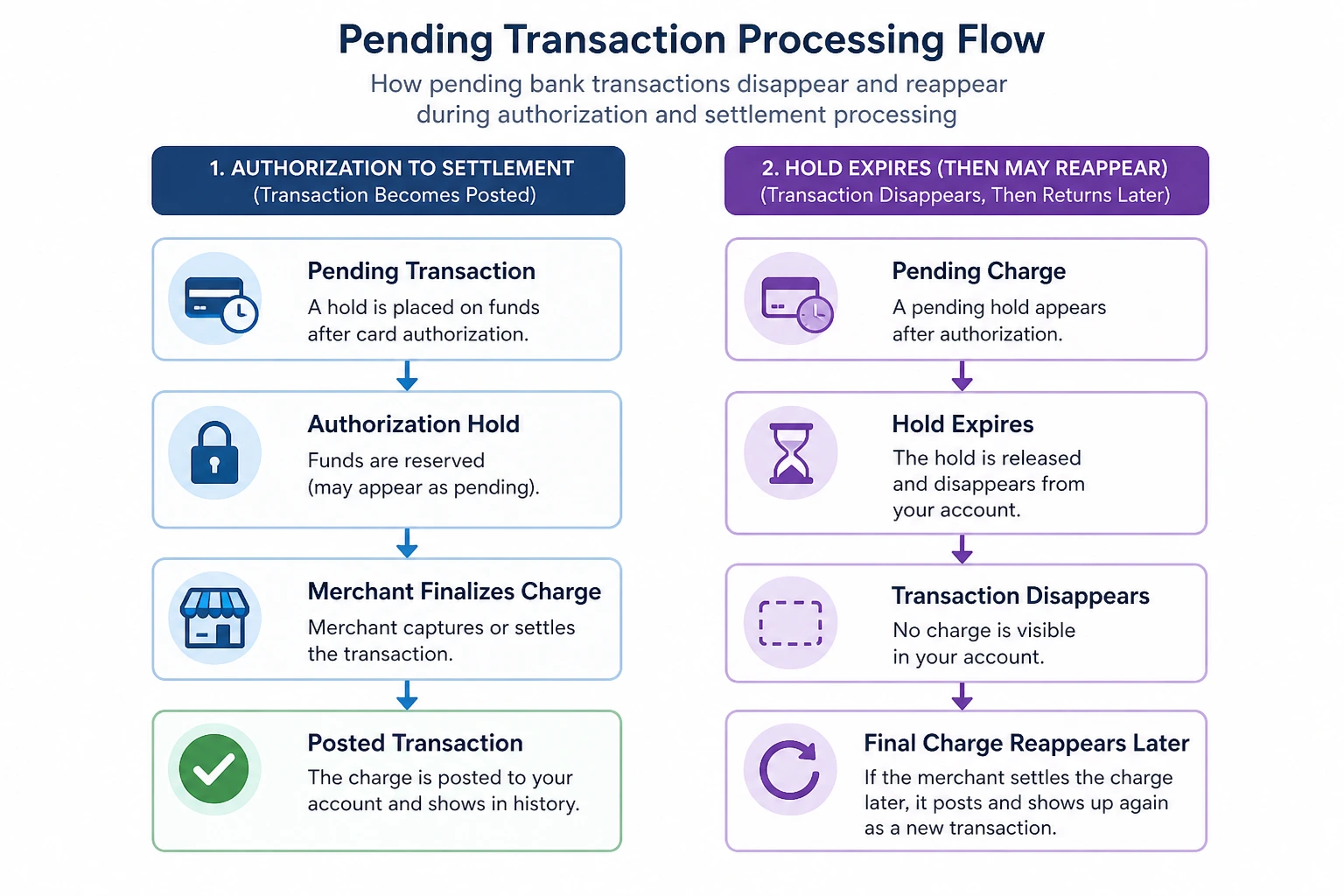
Diagram showing how pending bank transactions disappear and reappear during authorization and settlement processing

Last reviewed: May 2026 Quick answer: Pending transactions disappear because banks remove temporary authorization holds before the final charge is settled. In most cases the transaction either returns as a completed posted charge within 1 to 3 business days, or is removed entirely if the merchant cancels or the authorization expires. Your money is not … Read more

How Long Do Bank Transfers Take? (ACH, Wire, Deposits Explained)

Quick answer: Most bank transfers take between a few seconds and 3 business days depending on the method. ACH transfers typically take 1 to 3 business days, wire transfers are often completed the same day, instant payments like Zelle arrive within minutes, and mobile check deposits usually take 1 to 2 business days. Delays are … Read more

Why Is My Bank Transaction Pending? (How Long It Lasts + When to Worry)

Quick answer: A bank transaction stays pending because the payment has been authorized but not yet fully settled — the bank knows about the transaction, but the funds have not completed the transfer process between institutions. Most pending transactions clear within one to three business days. The exact timeline depends on the payment type, when … Read more

Why Debit Card Purchases Change Amounts After Pending

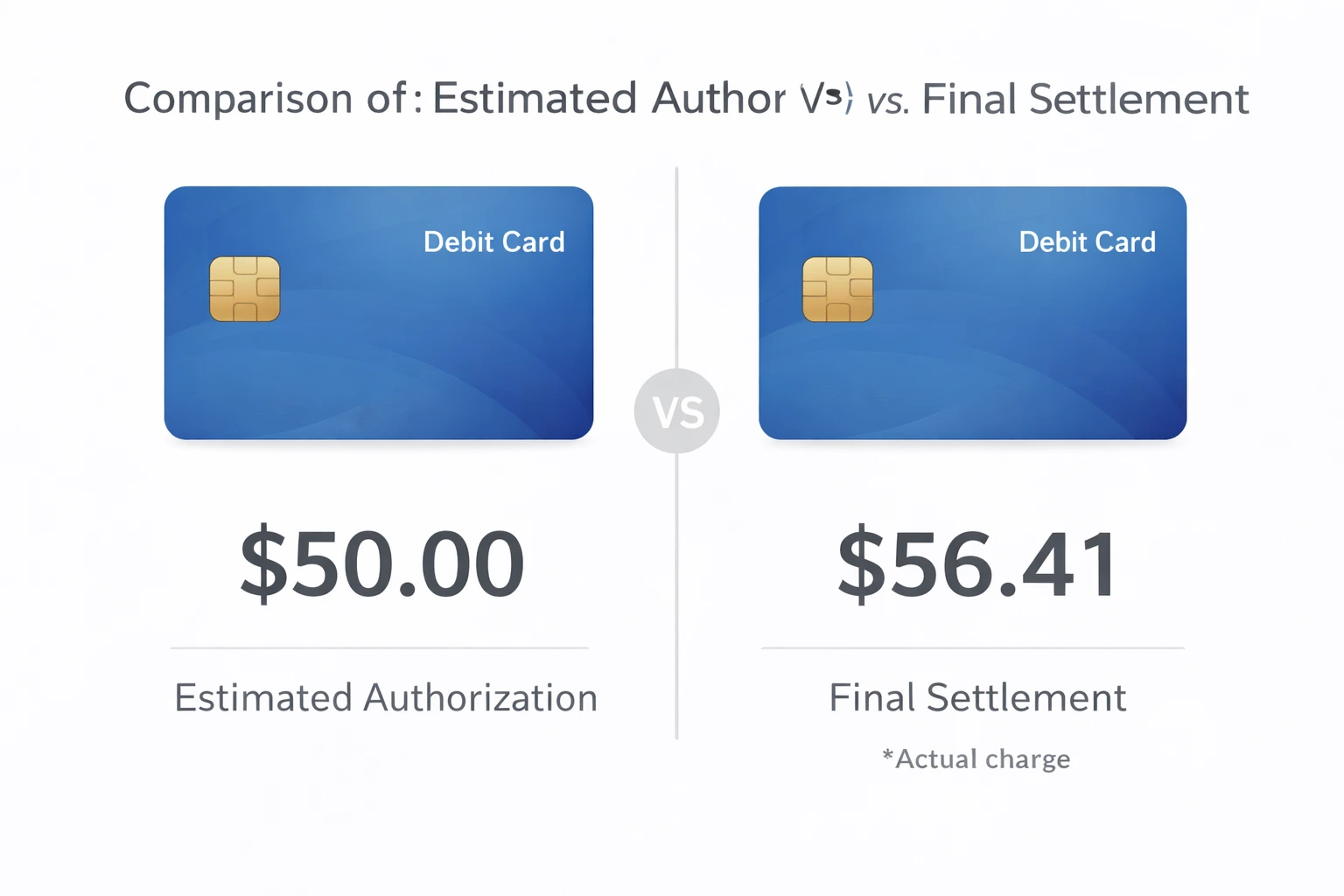
Comparison of estimated authorization vs final settlement amounts

Seeing a debit card purchase change amount after it was already pending can feel unsettling. A charge you recognized suddenly increases, decreases, or finalizes at a different number than expected. This behavior is one of the most misunderstood parts of banking. It is not a bank error, a delay, or a processing glitch. In most … Read more

Why Banks Reorder Transactions (And How Posting Order Affects Your Balance)

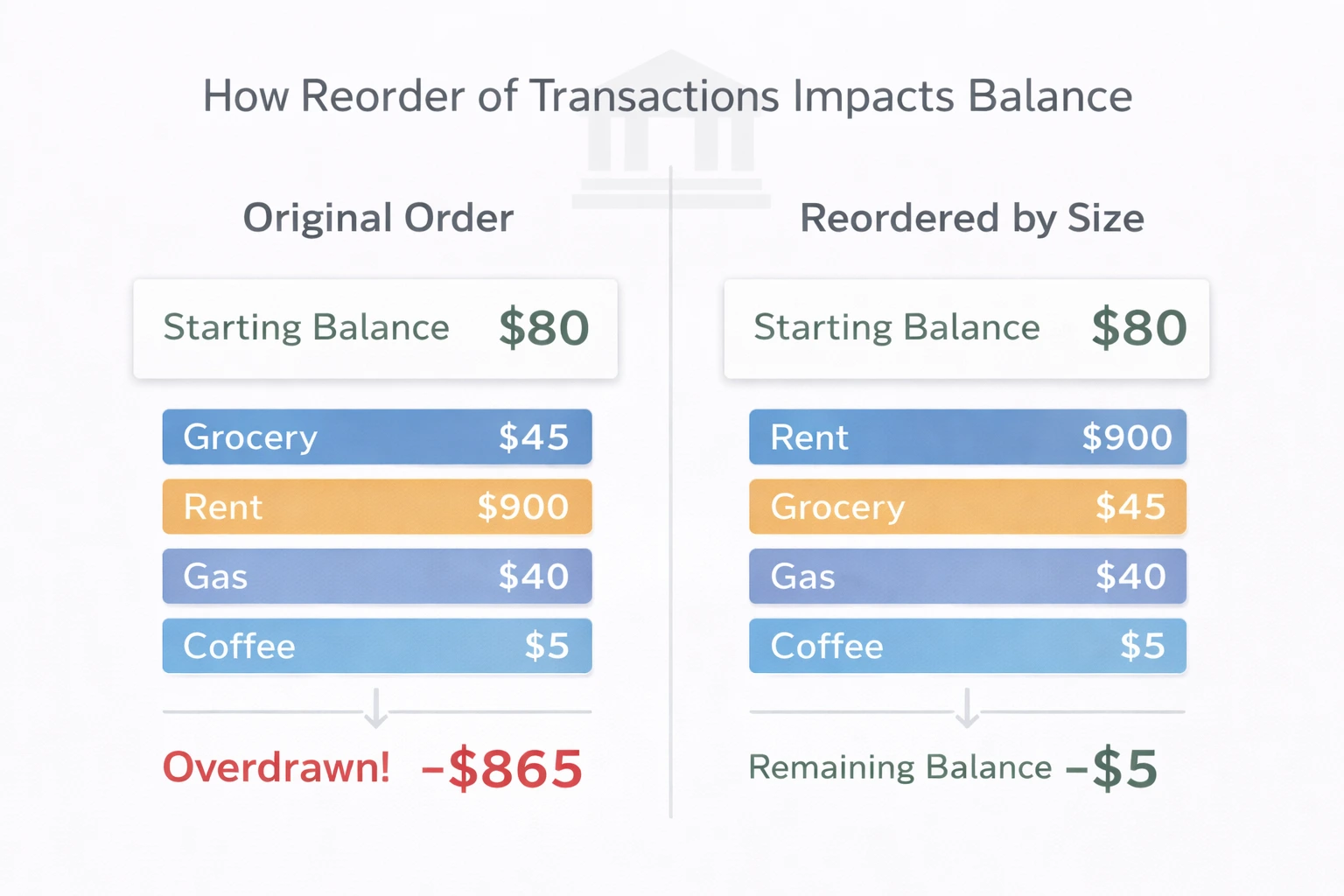
Graphic illustrating how posting order affects account balance

Quick answer: Banks reorder transactions because different payment types settle at different times — debit card purchases, ACH transfers, checks, and wire transfers all move through separate processing systems with different timelines. When multiple transactions arrive in the same posting batch, banks apply their own sequencing rules to determine which posts first. This affects your … Read more

Why Transactions Sometimes Post Out of Order

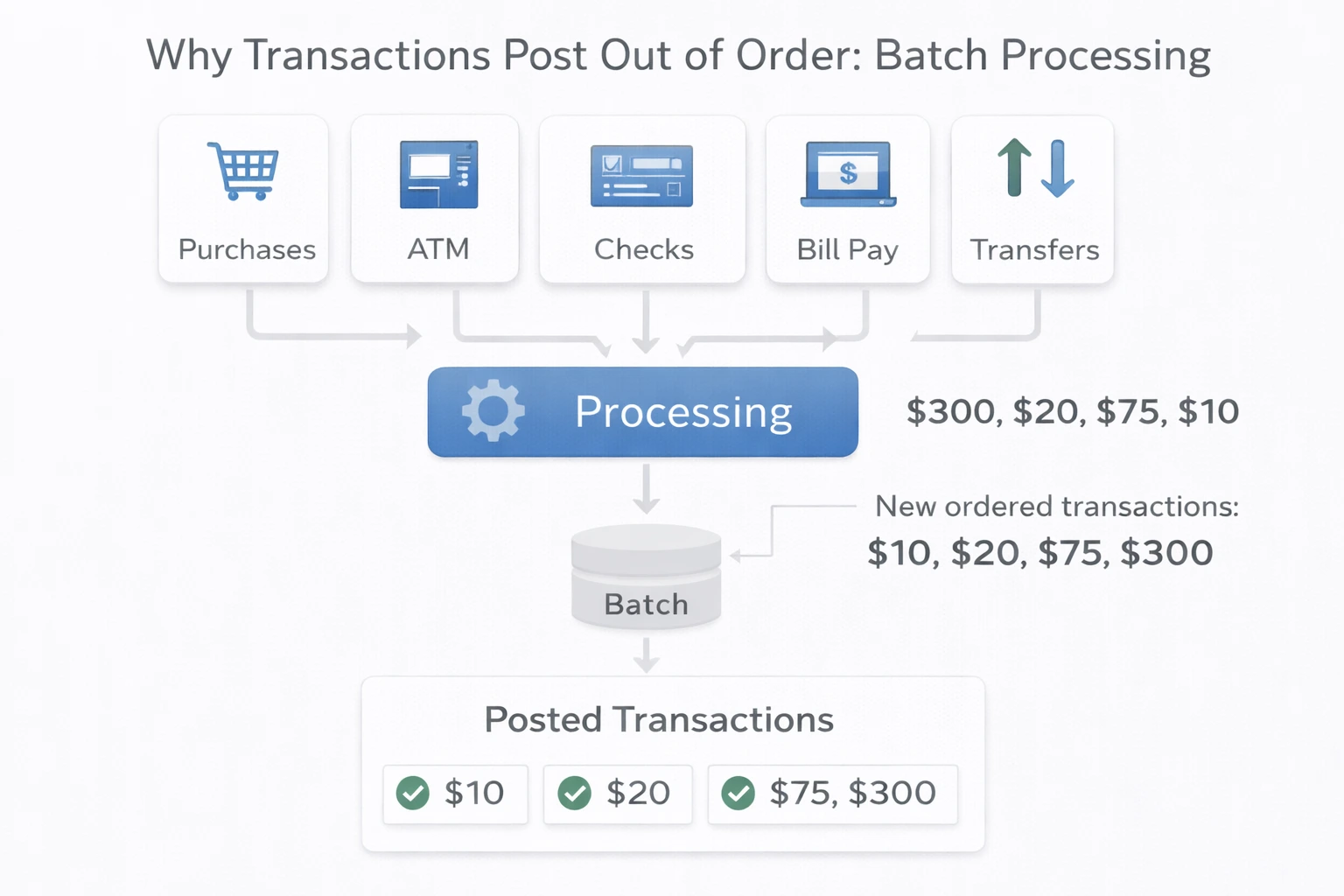
Diagram of bank batch transaction posting process

Last reviewed: May 2026 Quick answer: Transactions post out of order because banks record them when they settle through payment networks — not when you make the purchase. Settlement timing depends on merchant batching, authorization delays, processing cutoffs, and overnight posting cycles, which means newer purchases can sometimes post before older ones. OnlineBankingHelp.com is an … Read more

Why ACH Transfers Are Processed in Batches (Not Individually)

ACH transfers feel digital, but they are not processed one transaction at a time. The Automated Clearing House (ACH) system is built around grouping payments, submitting them at scheduled intervals, and settling them together. This batch-based structure is not a limitation. It is the core design that allows ACH to move massive volumes of money … Read more

Why Banks Post Transactions Overnight (And Rarely in Real Time)

If banking apps feel instant, bank posting is not. Most transactions do not officially post the moment you make them. Instead, they appear hours later, often overnight. This is not outdated technology or a lack of effort. It is a deliberate system design built around accuracy, risk control, and coordination across multiple financial networks. Understanding … Read more