Why Your Banking App Is Not Working: Causes and Fixes

Illustration showing a mobile banking app not loading or frozen on a smartphone

Quick answer: Banking apps stop working when they lose a secure, stable connection to your bank’s systems. The issue is usually caused by a session timeout, network interruption, app update conflict, server outage, or security check — not a permanent problem. In most cases, your account is still active and your money is secure. Fix … Read more
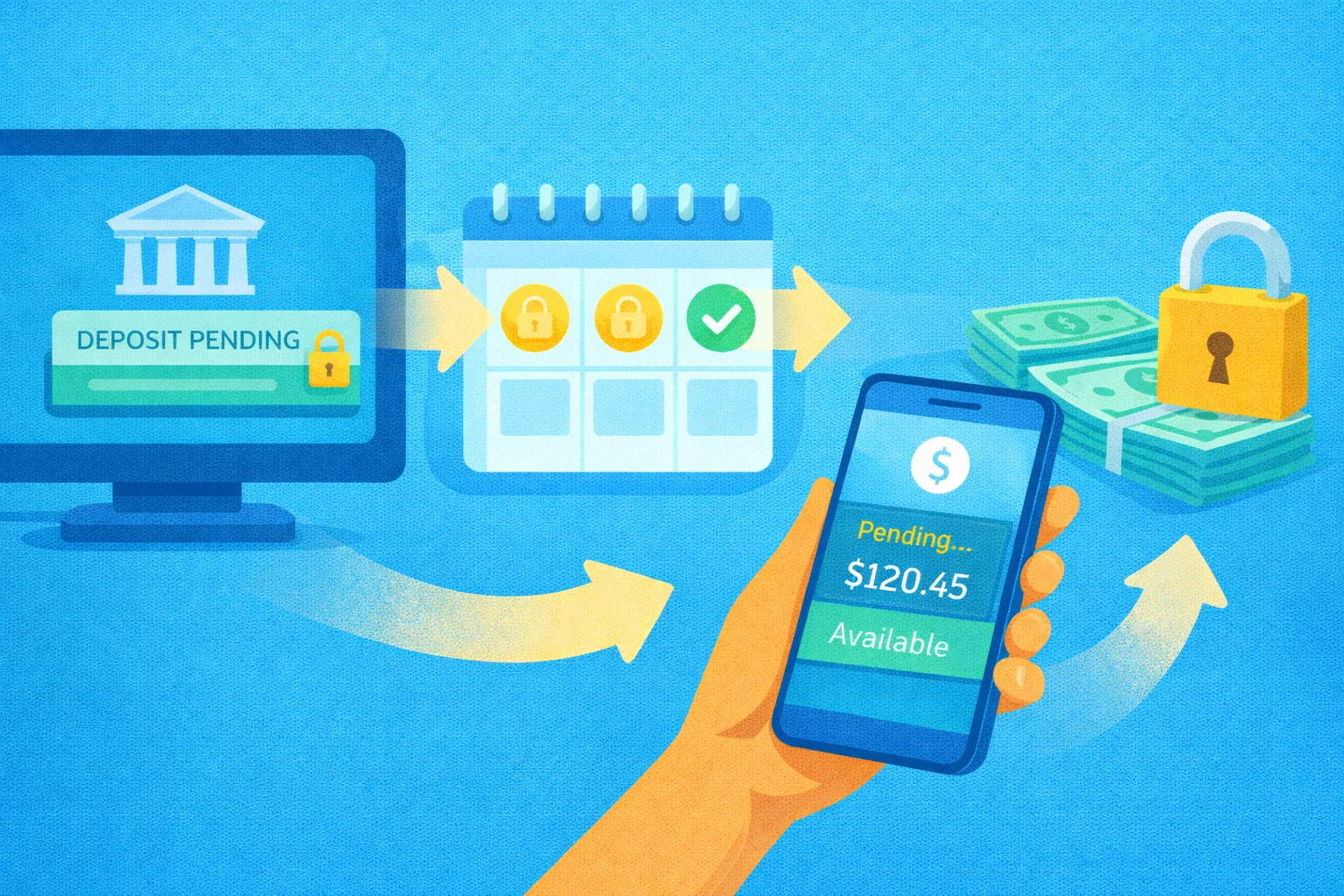
Bank Holds Explained: How Long Holds Last and Why Banks Place Them

Bank holds explained for deposits, transfers, and funds availability

Quick answer: A bank hold is a temporary restriction that prevents you from accessing some or all of deposited funds while the bank verifies the transaction. Most holds clear within 1 to 7 business days depending on the deposit type, account history, and reason for the hold. A hold does not mean your money disappeared … Read more

Instant Transfers Explained: Processing Times, Delays, Limits, and How They Work

flat-style illustration showing a bank transfer in progress with a phone and money movement icons

Instant transfers are designed to move money quickly, but they can still fail, reverse, or get canceled after submission. This guide explains why instant transfers fail, what causes reversals, how long issues usually take to resolve, and what steps you can take to avoid problems. OnlineBankingHelp.com is an independent educational resource and does not access … Read more

Why Bank Transfers Get Delayed

flat illustration of a slow bank transfer with pending status and clock symbols

Bank transfers can take longer than expected for several reasons, including ACH network timing, bank verification reviews, incorrect account information, and weekend or holiday delays. This guide explains the most common causes of transfer delays and what you can do to reduce them. OnlineBankingHelp.com is an independent educational resource and does not access accounts or … Read more

Direct Deposit Guide: How It Works, Timing, and Common Delays

flat illustration of a paycheck being deposited electronically into a bank account

Direct deposit is one of the most common ways people receive money today, from paychecks and government benefits to recurring payments from organizations. This guide explains how direct deposit works behind the scenes, how long it usually takes, why deposits sometimes arrive late, and what information you need to set it up correctly with your … Read more

Bank Processing Times Explained: Why Transfers and Deposits Take Time

flat illustration of a bank clock showing processing time and transaction movement

Last reviewed: May 2026 Quick answer: Most bank transfers and deposits take 1 to 3 business days because banks process transactions through scheduled settlement systems instead of continuous real-time processing. ACH transfers move in batches, check deposits require verification and clearing, and even debit-card purchases usually settle in stages. Cutoff times, weekends, holidays, fraud-review systems, … Read more

What Is an ACH Transfer? Meaning, Timing, and How It Works

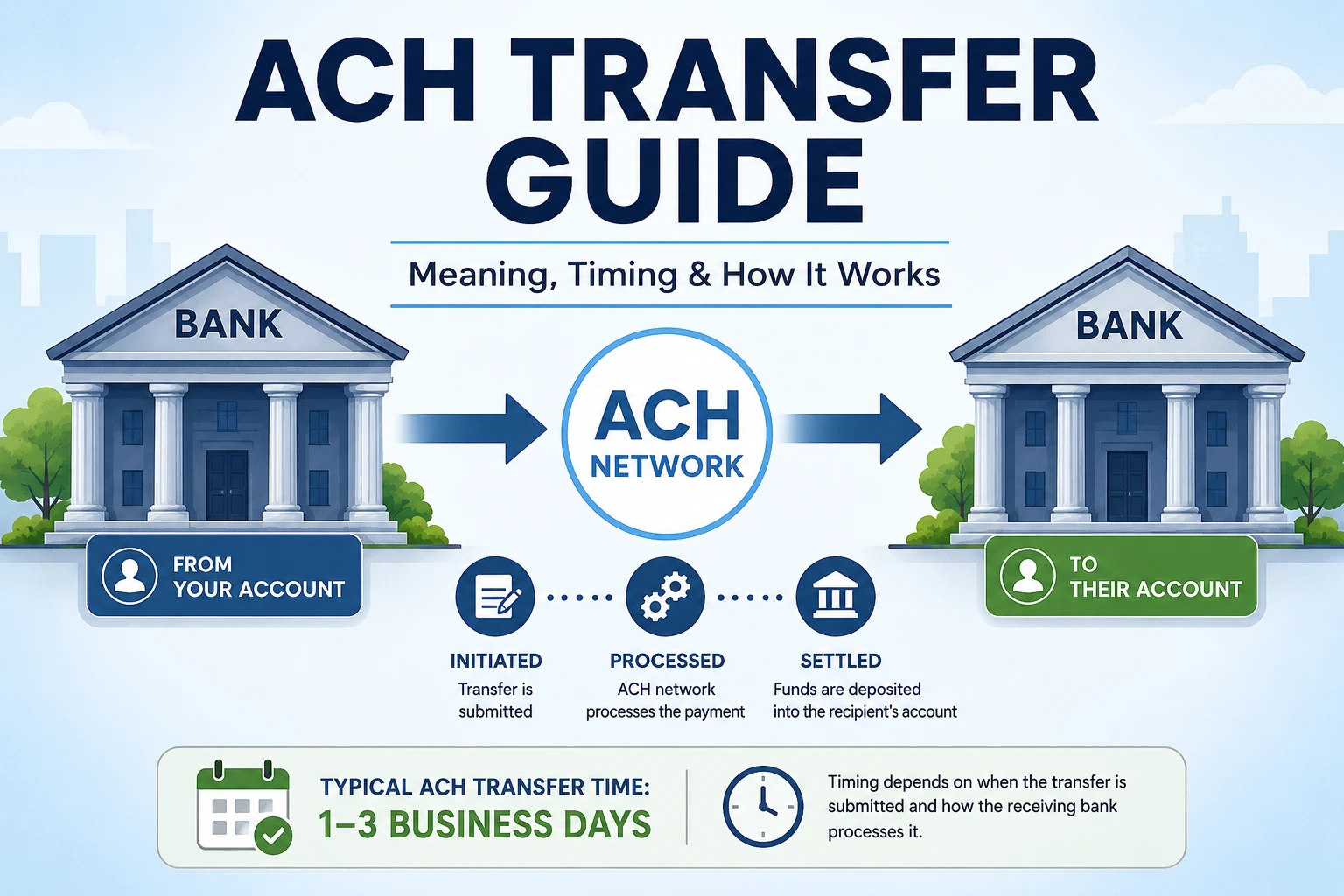
ACH transfer guide showing money moving between two bank accounts through the ACH network with a typical transfer time of 1 to 3 business days

Quick answer: An ACH transfer is an electronic bank-to-bank payment processed through the Automated Clearing House network. Most ACH transfers take 1 to 3 business days and are processed in scheduled batches rather than in real time. ACH transfers power many everyday banking activities, including direct deposits, bill payments, and transfers between accounts. While they … Read more

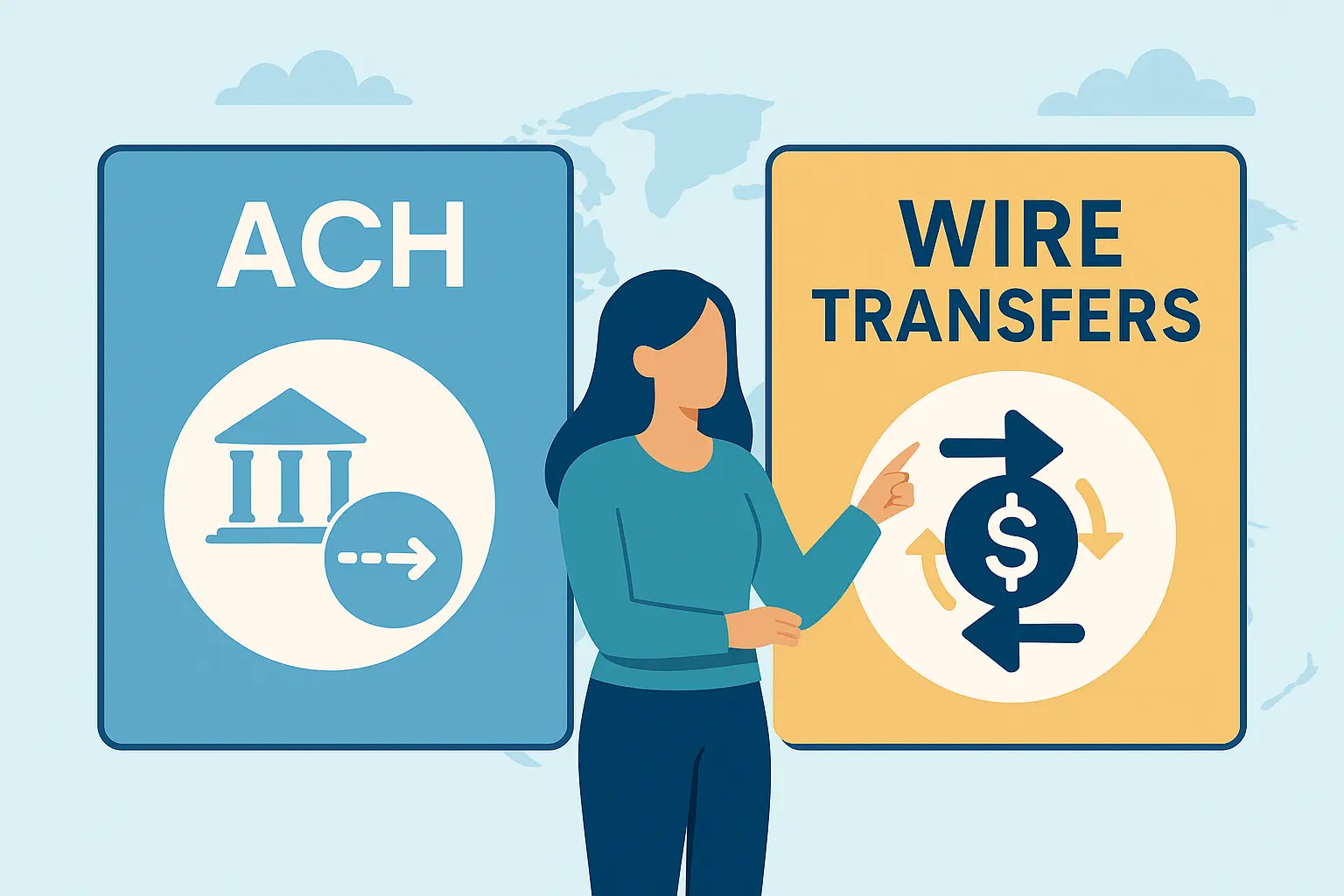
ACH vs Wire Transfers: What’s the Difference?

flat-style illustration comparing ACH transfers and wire transfers with abstract banking icons

ACH transfers and wire transfers both move money between bank accounts, but they operate on completely different systems. Understanding how each works helps explain differences in speed, cost, and reliability. Quick answer: ACH transfers are slower, low-cost payments processed in batches, while wire transfers are fast, real-time payments settled individually. ACH is best for routine … Read more

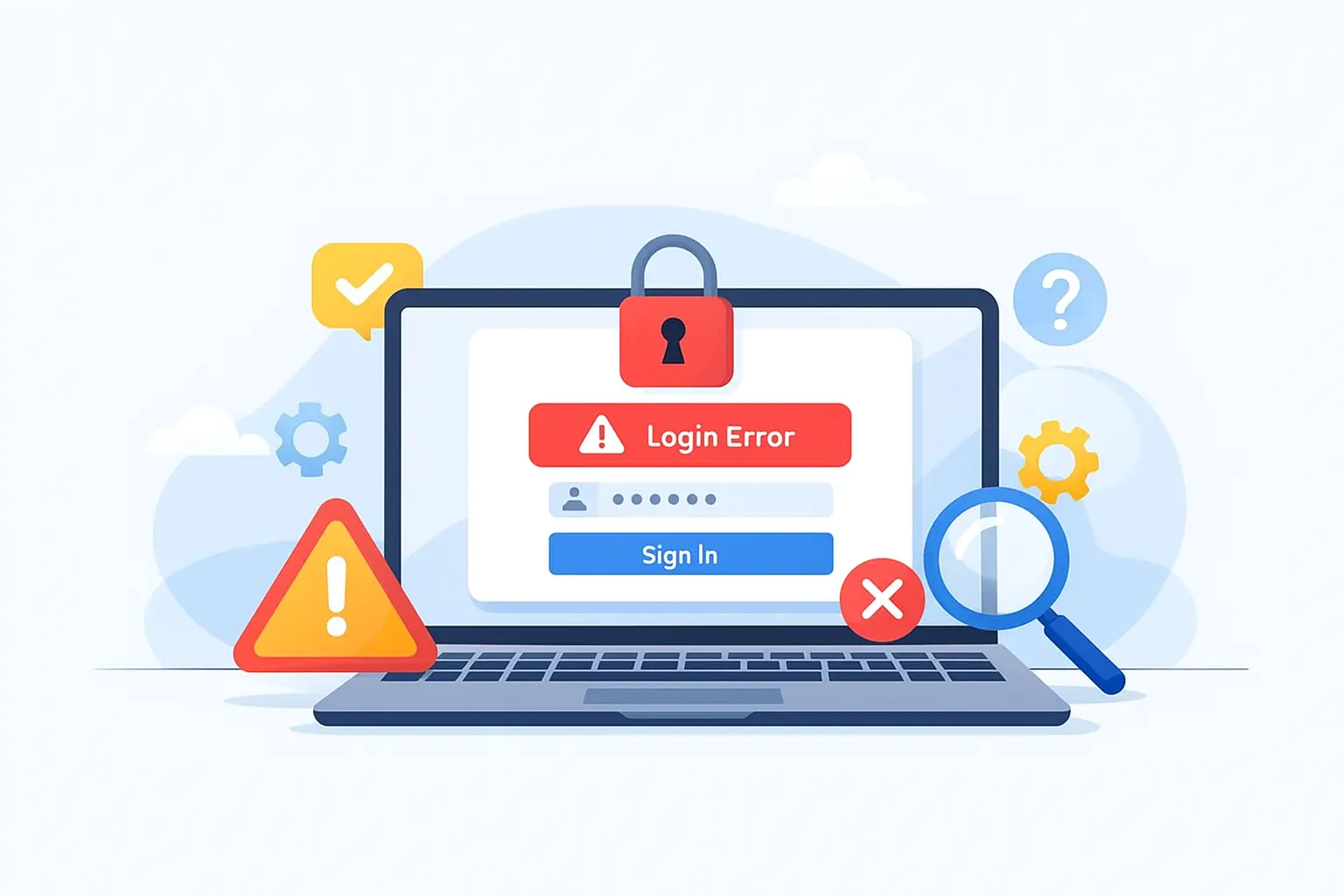
How to Fix Online Banking Login Errors (Step-by-Step Guide)

Illustration of a laptop and smartphone showing online banking login errors with warning and security icons

How to fix online banking login errors 1. Reset your password Use your bank’s official password reset tool. 2. Clear browser cache and cookies Clearing cached data removes outdated login information. 3. Update your banking app or browser Older versions may lose compatibility with bank systems. 4. Disable VPNs or private browsing Some banks block … Read more

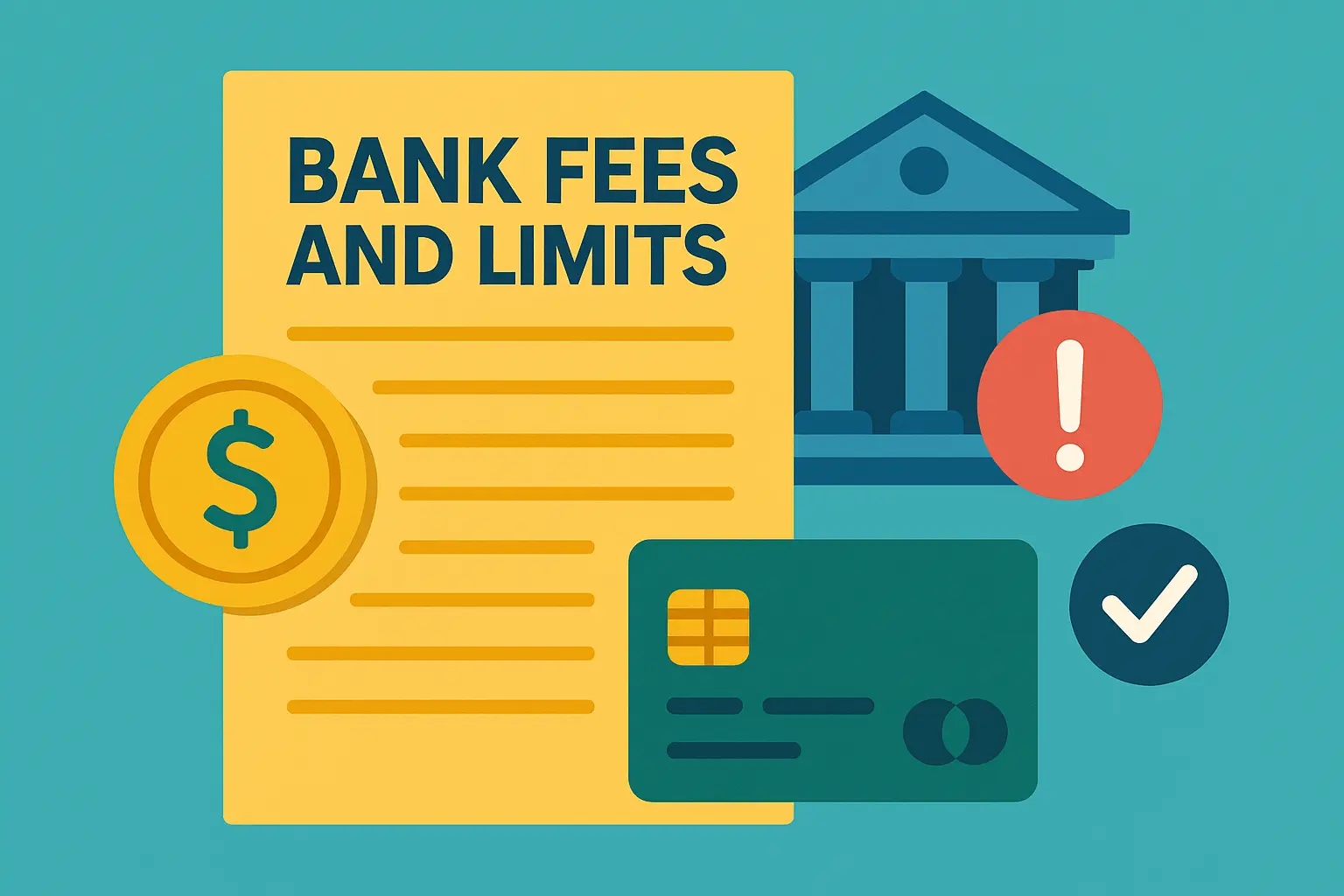
Bank Fees and Transaction Limits Explained (ATM, Transfers, Deposits, and More)

Illustration of bank fees and limits with a document, credit card, bank building, and warning icons

Quick answer: Banks charge fees and set transaction limits to manage risk, prevent fraud, and control account activity. Common fees include monthly maintenance, overdraft, and ATM fees, while limits apply to ATM withdrawals, debit card spending, deposits, and transfers. Understanding how bank fees and limits work can help you avoid unnecessary charges and prevent delays … Read more